
Flashcards
Structure on the front, drug name on the back – or the other way round. Flip, judge, move on: “Knew it” or “Didn’t know” decides when the card comes back.
Over 500 structural formulas from pharmacology – to memorise, look up and recognise. With a study plan, a flashcard box and five structural chemistry games.
For iPhone with iOS 17 or later, as a one-time purchase. An Android version is coming soon.
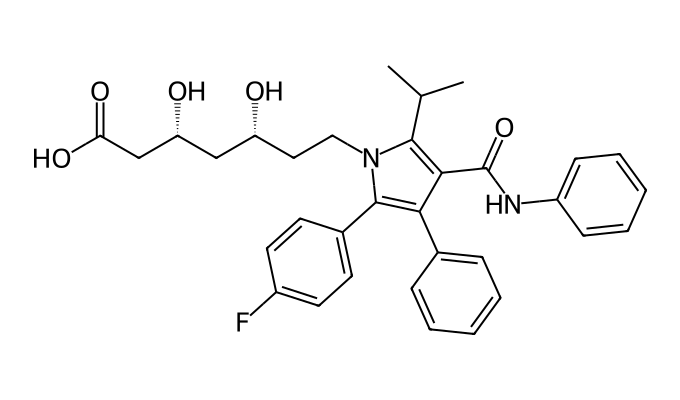
Every structural formula can be practised in three modes. “Study today” guides you through the day in lessons and picks the mode that fits next.
Structure on the front, drug name on the back – or the other way round. Flip, judge, move on: “Knew it” or “Didn’t know” decides when the card comes back.
Which drug belongs to this structure? Which structure to this name? Four answers, one correct – with an immediate reveal.
Structures and names as tiles on a board. Find the pairs until the board is empty – a quick game for recognition.
You choose the topics, a study goal – with a deadline, without a date or long-term – and how many lessons a day you want to study. The app spreads new structures and reviews over the lessons. With a deadline, it estimates how far you will get by then – an estimate that adjusts with every study day.
Every structural formula sits on one of four levels:
Every completed lesson is listed with its results in “Study today”. The study calendar and the statistics show on which days you studied and where every single structure stands. A flashcard box collects the structures you want to work on separately.
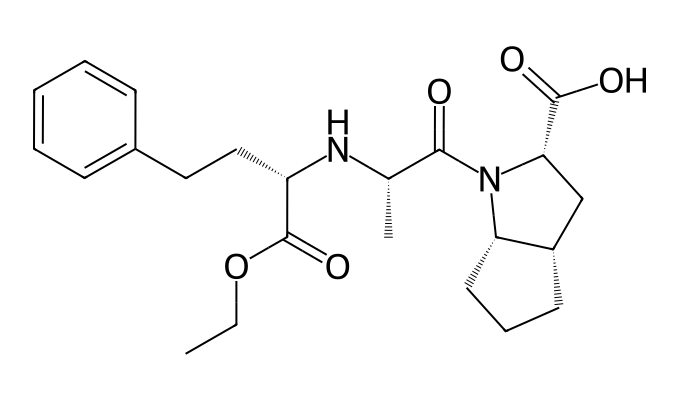
Atoms, rings and bonds are tapped directly in the drawing. Every reveal marks what was correct, wrong or missed. No time pressure, no points – rounds of 5, 10 or 20 questions.
Which structural features are present in this formula? Four answers, one to four of them correct – multiple selection with atom-precise highlighting in the reveal.
Examples: ethers, esters, amides, sulfonamides, heterocycles, β-lactam
Tap every stereocenter, then assign the configuration: R or S, and E or Z at double bonds. The reveal shows the CIP priorities and a helper view.
Basis: unambiguous centres only; wedges and hashes as drawn
Which hybridization does the highlighted carbon atom have – sp, sp² or sp³? Or the other way round: mark all sp² carbons in the molecule. Both question types in one round.
With an explanation of the atom’s bonding situation, not just the answer
Hydrogen-bond donors and acceptors, aromatic rings for π interactions, rotatable bonds – four question types, each with the definition used shown in the reveal.
You tap: atoms, ring faces and bonds
Acids, bases and charges: which group acts as an acid? Which form predominates at a given pH, and which groups carry a charge there? Quantitative questions only for drugs with documented pKa values; the reveal shows whether a value was determined experimentally or is a literature value.
Species fractions at the pH asked, from the documented pKa values
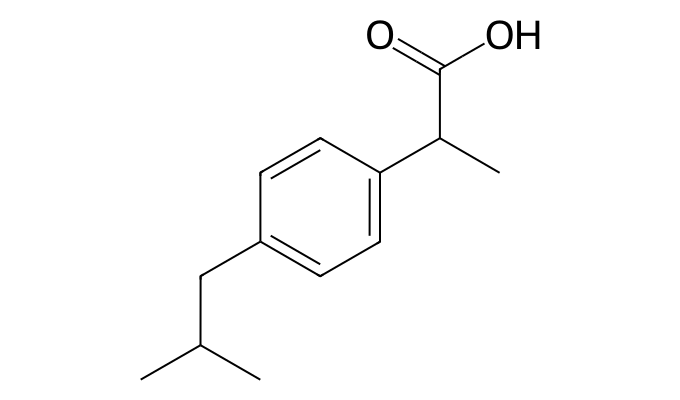
“View all structural formulas” is the app’s reference: alphabetical and searchable by drug name. Every card shows the structure, the molecular formula and the topics.
The structure drawings are based on chemical structure information from PubChem. The selection of drugs, their assignment to topics, the drug names and the translations are compiled and reviewed by us. The app explains how its content was created under “Sources & legal”. Drug names are available in German, English (US/UK), Spanish (Spain/Latin America), Portuguese (Brazil/Portugal), Japanese (with furigana) and Korean.
The app makes no network connection and has no account or sign-in. Progress, study plan and settings stay on the device. No ads, no analytics, no third-party libraries. Read the privacy policy
The interface is available in German, English, Spanish, Portuguese, Japanese and Korean, each with regional variants. The language of the flashcards can be chosen independently.
Made for everyone who wants to read drug structures rather than just memorise them – during your degree, before the state exam and after.