
Flashcards
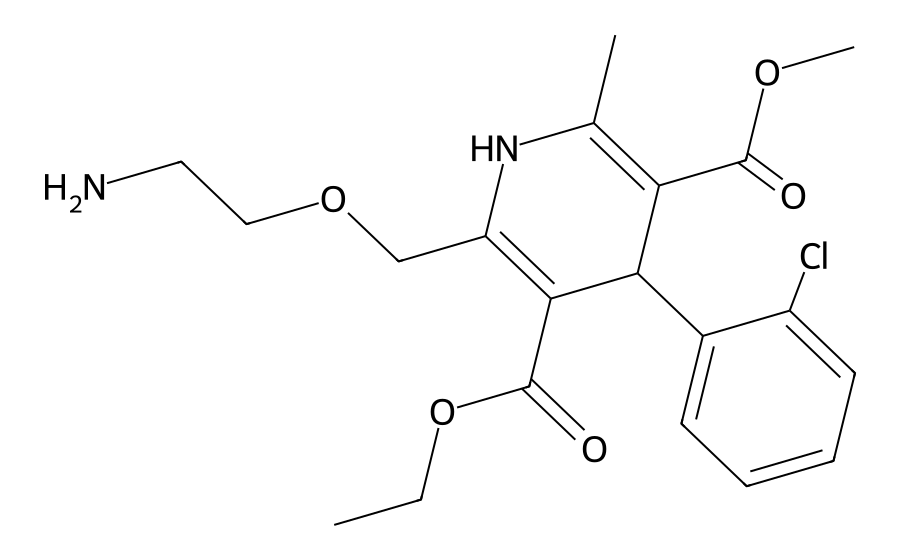
One card, one structure. Flipping reveals the drug name; “Add to flashcard box” sets the card aside for later. “Knew it” or “Didn’t know” decides when it comes back.
A learning system for drug structures: content from pharmacology, three study modes, a study plan that does the planning for you, and five games that take place inside the structural formula. Everything offline, everything on the device.
The structures cover the major drug classes of pharmacology – from the cardiovascular system and the central nervous system to anti-infectives, metabolism and oncology. Every formula is a drawing based on chemical structure information from PubChem, with molecular formula and stereochemistry.
The topics are grouped into eight areas: cardiovascular system, kidney and blood · central nervous system and pain therapy · anti-infectives · metabolism and endocrine disorders · gastrointestinal tract · respiratory tract and allergology · immunology, inflammation and oncology · further pharmacology topics.
One card, one structure. Flipping reveals the drug name; “Add to flashcard box” sets the card aside for later. “Knew it” or “Didn’t know” decides when it comes back.
In both directions: structure → drug and drug → structure. The wrong answers are real drugs from the app’s collection, so the details matter.
A board of structures and names. Form pairs; wrong matches are briefly marked, correct ones resolve.
Custom study: pick topics on the topic wheel, pick a mode, go – independent of the study plan. If you like, it counts towards your progress too. Individual structures can be excluded from the study plan and taken back in later.
When you create your study plan you decide which topics belong to it, what your study goal is – with a deadline, without a date or long-term – and how many lessons a day you want to study. “Study today” then guides you through new structures and due reviews in lessons; the app picks which mode comes next.
All five games follow the same principle: a structure from the collection, a question, a reveal directly in the drawing. Rounds of 5, 10 or 20 questions; molecules never shown before come first. No time pressure, no points, no leaderboard.
| Game | Task | What you tap |
|---|---|---|
| Functional groups | Which structural features are present? Multiple selection from four answers, atom-precise highlighting in the reveal. | Answers |
| Stereocenters | Find all stereocenters; assign R/S at a highlighted centre and E/Z at a double bond – with CIP priorities and a helper view. | Atoms |
| Hybridization | sp, sp² or sp³ for a highlighted carbon atom; or mark all carbon atoms of one hybridization. With an explanation of the bonding situation. | Atoms |
| Interactions | Hydrogen-bond donors, acceptors, aromatic rings, rotatable bonds – four question types, each with the definition used. | Atoms, rings, bonds |
| Protonation Detective | Identify acidic and basic groups; at a given pH, determine the predominant form and the charged groups. Quantitative only with documented pKa values; the reveal shows whether a value was determined experimentally or is a literature value. | Groups, answers |
The chemical data behind the games is generated offline with RDKit from the structure data and checked before inclusion; the app itself does no chemistry calculations. Ambiguous cases are excluded.
An alphabetical list of all drugs with structure previews. The search finds drugs by their name. Every card: structure, molecular formula, topics.
Here the app explains how its content was created: the structure drawings are based on structure information from PubChem; the selection of drugs, topic assignment, names and translations are compiled and reviewed by us. The required source and licence notices are included as well.
Structures can be randomly rotated while studying, never mirrored. Stereochemistry can be hidden – then stereoisomers look the same.
Spotted an error in a structure? “Report an error” on a card or “Report question” in a game’s reveal prepares an e-mail draft – you see the whole text and send it yourself.
| Language | Interface | Drug names (flashcards) |
|---|---|---|
| German | yes | yes |
| English | yes (US, UK) | yes (US, UK) |
| Spanish | yes (Spain, Latin America) | yes (Spain, Latin America) |
| Portuguese | yes (Brazil, Portugal) | yes (Brazil, Portugal) |
| Japanese | yes | yes, with furigana |
| Korean | yes | yes (Hangul) |
App language and flashcard language are set separately. On first launch the app follows the device language. Switching only changes the display – progress and flashcard box are kept.